Casino table games combine chance, rules, and decisions, so understanding probability can help you set realistic expectations before you play. This Wilberforce Institute Blog guide explores how expected value, return to player, and house edge relate to bankroll management, with its https://wilberforceinstitute.uk/best-online-casino-strategy covering casino strategy alongside the role of measured decision-making. These concepts cannot predict a particular hand or guarantee a profit, but they can help casual UK players compare games and decide how much they are willing to risk. The focus is on informed choices, clear limits, and safer gambling rather than a system for beating the casino.
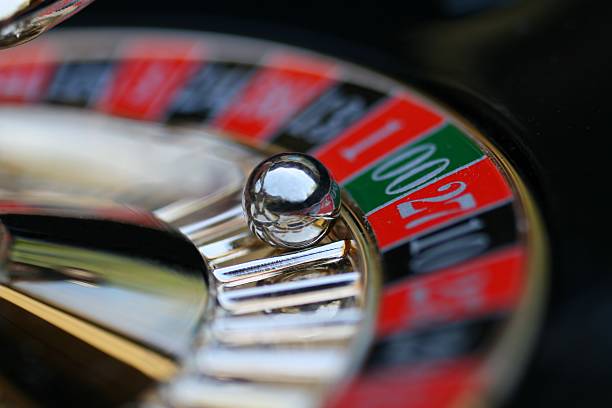
Casino table games through the lens of probability and bankroll planning
Probability describes how likely an outcome is over many repetitions; it does not tell you what must happen in the next round. In roulette, blackjack, baccarat, and other casino games, each wager has possible outcomes and associated payouts. Expected value combines those probabilities and payouts to estimate an average result per wager over a very large number of plays. A single session can differ sharply from that long-run average, because chance creates winning and losing streaks. Treat probability as a way to understand risk, not as a forecast of your next result.
Two useful comparison measures are return to player (RTP) and house edge. RTP expresses the theoretical share of wagers returned to players over time, while house edge represents the casino’s theoretical advantage; in simplified terms, a 96% RTP corresponds to a 4% house edge. These figures are averages, not promises about individual sessions. Rules, bet types, and game versions can change the calculation, so check the information for the specific game. A sound bankroll plan starts with money you can afford to lose, then considers how quickly a chosen game might put that limit at risk.
How to prepare for a casino table-game session
Before choosing a table, decide what the session is for: entertainment, learning the rules, or trying a game you already understand. Then compare the game’s published rules and probabilities with your own comfort around variance. A lower house edge may be useful when comparing similar wagers, but it does not make gambling risk-free. The steps below turn general probability concepts into a practical plan. They are designed to keep spending deliberate and to make it easier to stop when your budget or time limit is reached.
- Set a fixed budget: Choose an amount you can afford to lose without affecting bills, savings, or other commitments.
- Choose a time limit: Decide when the session will end before you start, and use reminders if helpful.
- Check the rules: Review payouts, available bets, and any game-specific decisions that affect the house edge.
- Select a suitable stake: Choose wagers small enough that a short losing run will not immediately use your entire budget.
- Stop at your limits: End play when your budget or time limit is reached; do not chase losses or treat a win as a reason to keep going.
- A fixed budget separates gambling money from essential spending.
- Knowing the rules helps prevent avoidable misunderstandings about payouts.
- Small, planned stakes can give a session more room without guaranteeing a longer or better result.
- A pre-set stop point supports safer gambling when emotions rise.
Using expected value to compare casino table games
Expected value makes the relationship between outcomes and payouts easier to examine. Imagine a simple coin game with a £1 stake: a heads result returns £2, while tails returns £0, with each outcome equally likely. The average net expectation is £0 per attempt: half the time the player gains £1, and half the time the player loses £1. This does not mean the player will break even after two turns; they could win twice or lose twice. It simply describes the theoretical average across a very large number of independent attempts.
Changing the payout changes the calculation. If the same £1 coin wager returns £1.90 on heads and nothing on tails, the average return is 95p per attempt, or a net expected loss of 5p. That simplified example illustrates how a small payout difference can create a negative expectation. In an actual casino game, calculations may involve several outcomes, different probabilities, and specific rules. A game with a theoretical RTP of 55%, for instance, has an implied long-run shortfall of 45% of the amount wagered; on average, that is 55p returned per £1 attempt, not a guaranteed result for each player or session.
- List every outcome: Include wins, losses, pushes, and any partial returns that the rules allow.
- Pair outcomes with probabilities: Use the published game information where available, rather than guesses based on recent results.
- Include the stake: Distinguish between a payout that includes the original stake and a net profit.
- Compare like with like: Check the same type of wager across games, since different bets can have different edges.
Expected value and RTP are most useful for broad comparisons, not for choosing a “due” outcome. In games with independent rounds, previous results do not make a particular outcome more likely simply because it has not appeared recently. A practical bankroll strategy therefore uses these measures to understand the cost and uncertainty of play, then applies a firm spending limit. If the odds or rules are unclear, pause and find reliable game information before wagering.
Benefits of probability-led casino bankroll management
Using probability does not remove the uncertainty that makes casino games gambling. It can, however, replace vague assumptions with clearer questions: What are the possible outcomes? What is the theoretical return? How much of my budget could I lose if results go against me? This approach helps players distinguish a game’s long-run statistics from the short-term experience of a session. It also encourages a more considered choice of stake and duration, while keeping entertainment value separate from any expectation of making money.
- Clearer comparisons: RTP and house edge can help you compare similar games or wagers when reliable figures are available.
- More realistic expectations: Expected value explains why a favourable result in one round does not erase a game’s long-term disadvantage.
- Better budget awareness: Pre-set spending and time limits make it easier to keep gambling within personal boundaries.
- Less reliance on myths: Probability helps challenge claims that a game must soon produce a particular result.
These benefits depend on applying the information with care. A theoretical edge is not a personal forecast, and even a game with a relatively high RTP can produce substantial losses over a short period. Avoid increasing stakes to recover money or borrowing to continue. If gambling stops feeling enjoyable or starts affecting finances, relationships, or wellbeing, stop and seek support from an appropriate UK gambling support service. A bankroll limit is a safeguard, not a target that needs to be spent.
Trust, game information, and safer gambling
When reviewing any casino game, look for clear rules, payout details, and information about how its odds or RTP are presented. Check that you understand the difference between theoretical returns over time and the result you might see in a short session. If playing online, use a properly licensed operator and review its safer-gambling tools, which may include deposit limits, time reminders, cooling-off periods, and self-exclusion options. These features do not change the underlying odds, but they can help you keep play within boundaries. Do not rely on promotional language or informal betting systems as substitutes for transparent terms and responsible limits.
Security also includes protecting your personal and payment information. Use strong, unique account credentials, keep devices and software updated, and avoid sharing verification codes or passwords. Read payment and withdrawal terms before depositing, and contact the operator through its official support channels if something is unclear. Most importantly, never treat gambling as a way to solve financial difficulty. Probability can describe possible outcomes, but it cannot guarantee a win, recover a loss, or make an unaffordable stake safe. If you feel pressure to keep playing, step away and consider using support or account-control tools.

Why use probability when choosing casino table games
Probability gives casino players a practical vocabulary for thinking about risk: expected value describes a long-run average, RTP summarizes theoretical returns, and house edge indicates the casino’s mathematical advantage. Together, these ideas can help you compare game information and make a more deliberate bankroll plan. They cannot identify a winning streak in advance or ensure that a session ends in profit. For a sensible decision, pair the numbers with your own budget, familiarity with the rules, and willingness to accept a possible loss. If any of those checks give you pause, choosing not to play is a valid option.
For casual UK players, the most useful strategy is often simple: set an affordable limit, choose a game whose rules you understand, and stop when your time or budget is up. Treat every stake as money that could be lost, and never chase results based on a belief that probability owes you a win. The Wilberforce Institute Blog’s focus on casino probability and bankroll management is best applied as an aid to informed, safer decisions—not as a promise of returns. Keep gambling occasional, voluntary, and within limits that protect your wider wellbeing.